
What to Expect from Australian Interest Rates Over the Next 12 Months (2026 Update)
Interest rates remain one of the most important factors influencing the Australian property market – and in 2026, they are once again front of mind for homeowners and investors.
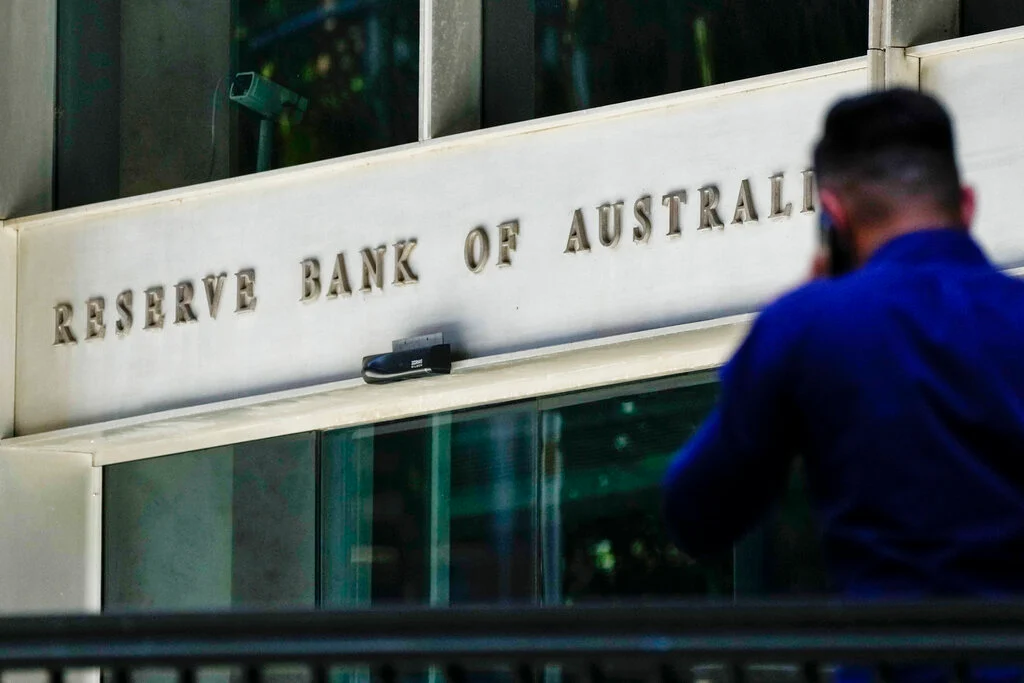
Following two recent interest rate increases by the Reserve Bank of Australia (RBA) this year, including the latest 0.25% rise, many borrowers are reassessing their mortgage strategy and financial position.

While interest rate movements are driven by broader economic conditions such as inflation and employment, the impact on borrowers is immediate. Changes in rates can affect monthly repayments, borrowing capacity and decisions around refinancing or property purchases.
Understanding where interest rates may be heading (and how to respond) can help homeowners make more informed decisions over the next 12 months.
For a broader view of how rate cycles influence lending, you can explore our Interest Rate Outlook Australia guide.
What Will Happen to Interest Rates in Australia Over the Next 12 Months?
Interest rate movements over the next 12 months will largely depend on inflation trends, economic growth and further decisions made by the RBA.
With two rate increases already occurring in 2026, current conditions suggest that interest rates may remain elevated in the short term, particularly if inflation continues to sit above target levels.
However, interest rate cycles are rarely linear. While some forecasts anticipate further tightening, others suggest that rates may stabilise once inflation shows sustained signs of easing.
Because of this uncertainty, many borrowers are focusing less on predicting exact movements and more on structuring their loans to remain flexible under different scenarios.
Why Interest Rates Are Rising Again in 2026
The recent rate increases reflect ongoing pressure from inflation and broader economic conditions.
Central banks, including the RBA, use interest rate adjustments as a tool to manage inflation. When inflation remains above target, raising interest rates can help slow spending and stabilise prices.
Key drivers influencing current rate decisions include:
- persistent inflation across goods and services
- strong employment conditions
- continued consumer demand
- global economic pressures
Because these factors are constantly evolving, interest rate decisions are reassessed regularly rather than set on a fixed path.
How Rising Interest Rates Affect Homeowners
For homeowners with variable-rate mortgages, rising interest rates can increase monthly repayments and overall loan costs.
Even relatively small rate increases can have a noticeable impact over time, particularly for larger loan balances.
Because of this, many homeowners begin reviewing their loan structure when rates rise. Some borrowers explore options such as Home Loan Refinancing to determine whether more competitive rates or better loan features are available.
Others reassess their existing Owner Occupied Home Loan to ensure it still aligns with their financial situation and long-term goals.
How Interest Rates Affect Borrowing Capacity
Interest rates also play a significant role in determining borrowing capacity.
As rates increase, lenders apply higher serviceability buffers when assessing loan applications. This can reduce the amount borrowers are eligible to borrow.
For buyers entering the market, this may influence property budgets or purchasing timelines.
For existing borrowers, it may impact their ability to refinance or invest further.
Many borrowers begin by estimating their position using a Borrowing Power Calculator, which can provide a clearer understanding of how rate changes may affect loan eligibility.
Should You Refinance in a Rising Rate Environment?
Rising interest rates often prompt borrowers to review their current mortgage.
While refinancing is commonly associated with falling interest rates, it can also be relevant during rising rate environments – particularly when loan structures or lender pricing differ significantly.
Some borrowers explore Refinancing to:
- secure more competitive rates
- improve loan features
- access equity
- restructure debt
Others may review their loan simply to ensure it remains appropriate as conditions change.
Because refinancing involves both costs and long-term considerations, decisions are typically based on individual financial circumstances rather than interest rate movements alone.
What Is Driving Interest Rate Predictions Right Now?
Interest rate forecasts are influenced by a range of economic indicators.
These typically include:
- inflation and cost of living pressures
- employment and wage growth
- consumer spending trends
- global economic conditions
Because these factors can change quickly, forecasts often vary.
Rather than relying on a single prediction, many borrowers focus on preparing for different outcomes – including scenarios where rates remain elevated or begin to stabilise.
How Borrowers Are Responding to Rate Changes
In response to rising interest rates, many borrowers are adjusting their financial strategies.
Common approaches include:
- reviewing loan structures
- increasing repayment buffers
- exploring refinancing options
- delaying or adjusting property purchases
Property investors may also review their portfolio strategy, including how interest rate changes affect cash flow and long-term investment returns.
Some investors reassess their Residential Investment Loans when evaluating new opportunities or managing existing properties.
Latest Interest
Rate Insights
For more detailed insights into interest rate movements and borrower strategies, explore the following articles:
- Refinance Now or Wait? A 12-Month Outlook on Australian Interest Rates
- Stay Ahead of the Curve: Interest Rate Trends and Smart Refinancing Strategies
- 2024 Mortgage Forecast: How Interest Rate Movements Could Impact Your Home Loan
- How to Prepare Your Mortgage for Potential Interest Rate Hikes
- Rising or Falling? A Look at Interest Rate Predictions
These articles provide additional context on how changing economic conditions may influence lending decisions.
How Interest Rate Changes Affect Borrowers in Practice
Interest rate movements can influence several aspects of borrowing.
For homeowners, this may include:
- increased or decreased monthly repayments
- changes in total interest costs
- refinancing opportunities
For investors, interest rate changes can affect:
- borrowing capacity
- portfolio expansion
- rental yield calculations
Because of these impacts, many borrowers review their loan periodically to ensure it remains aligned with their financial goals.
Speak With Palisade Brokers
Interest rate changes can create uncertainty – but they can also present opportunities when approached strategically.
If you are reviewing your mortgage, considering refinancing or planning your next property move, speaking with a lending specialist can help clarify your options.

Frequently Asked Questions
-
Interest rate movements depend on inflation, economic conditions and RBA decisions. While rates have already increased in 2026, future movements will depend on how inflation and economic conditions evolve.
Stay Informed with Our Real Estate Finance Blog
For more insights into navigating the real estate market, stay tuned to our blog. Contact us for personalised advice tailored to your property goals.



Helpful resources.
Department of Finance
Australian Government
AFCA
Australian Financial Complaints Authority
Money Smart
Australian Government